Yemen
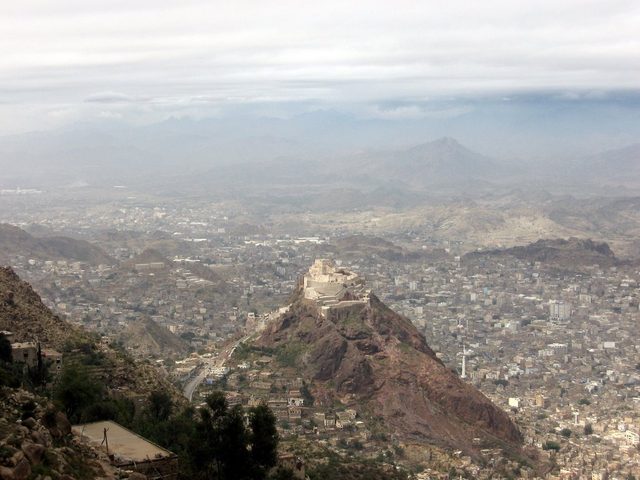
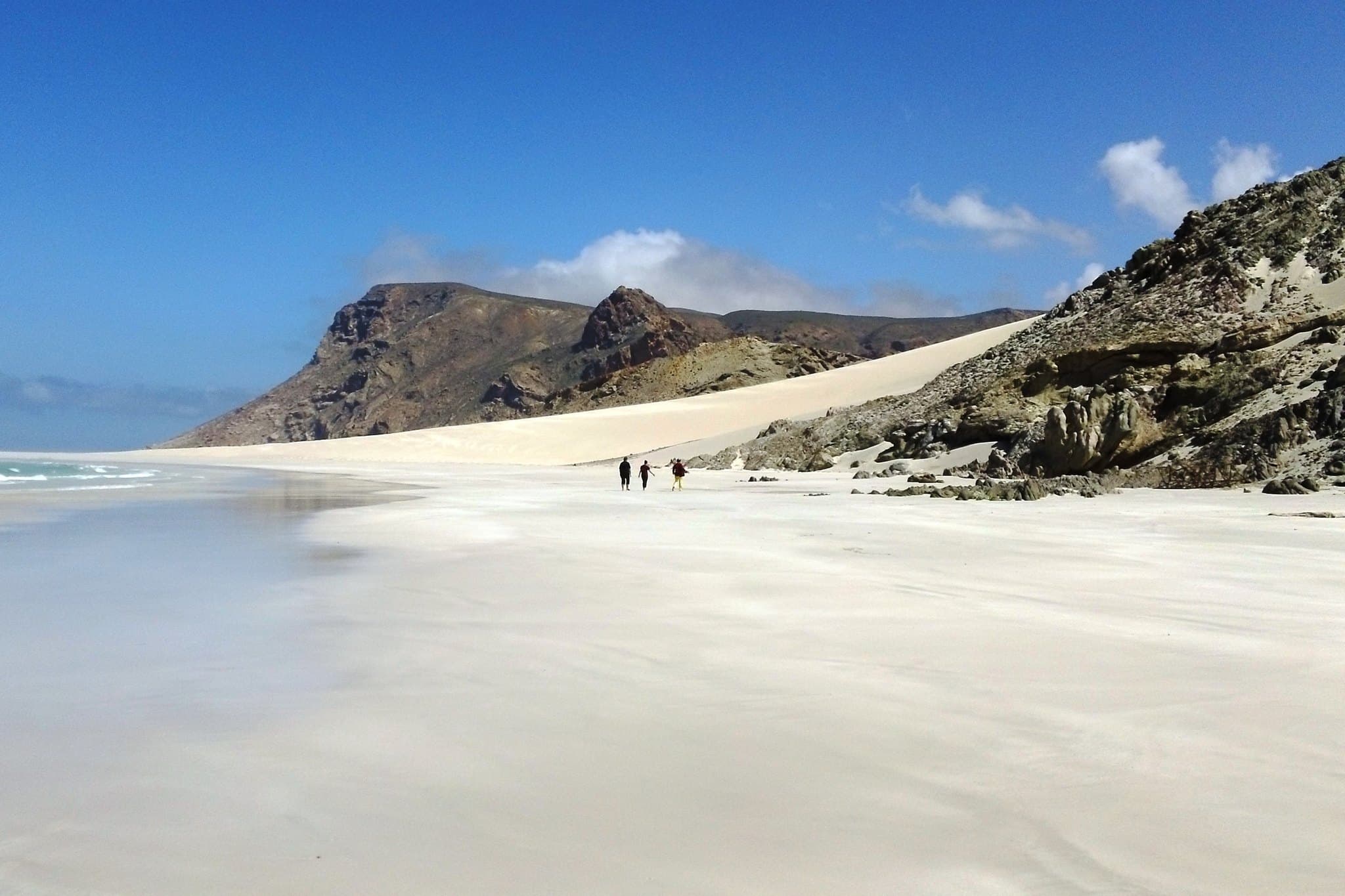
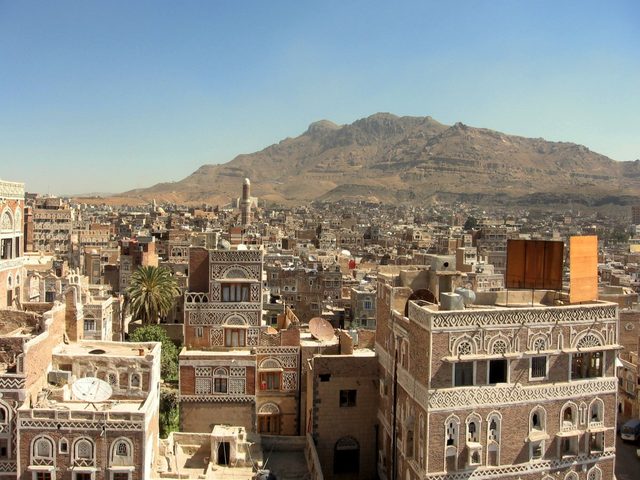
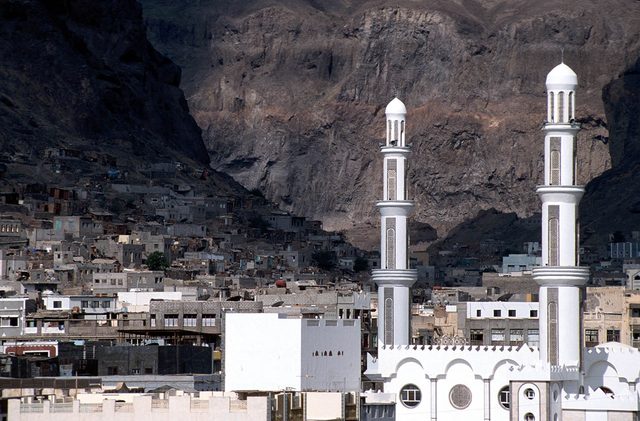
Yemen’s highland cities and coastal stretches reveal deep Arabic roots and striking geographic diversity amid ongoing change.
Overview
From Sana’a’s mountain setting to the Red and Arabian Sea coasts, Yemen’s regions offer distinct cultural and geographic profiles. Arabic is central to daily interactions, and planning depends on current, reliable sources due to fluid conditions and varying regional dynamics.
At a glance
Languages
- Arabic(Official)
- Mehri(Recognized)
- Soqotri(Recognized)
Population28,250,420
CurrencyYemeni Rial (YER)
1 YER = 0.004234 USD
1 USD = 236.16 YER
Popular places
Yemen
Entry requirements
Visa and residency reference data is available for Business Visitor, Visitor, Family Visit, and 8 more.
Business Visitor
- Business Visa
eVisa portal business route for applicants who document businessman status, host approvals, and round-trip tickets.
- No work rights
Visitor
- Consular Single-Entry Visa
Embassy visa route for temporary visits for tourism, business, work, or study, issued after immigration-authority approval.
- 3 months
- Special Visa
eVisa portal special route for foreigners without a Yemeni embassy or consulate in their country or who need expedited arrival through a specified port.
- Visit Visa
eVisa portal visit route issued through Yemeni embassies and consulates after Immigration, Passports and Nationality Authority approval, requiring a host request, passport copy, health certificate, and departure pledge.
Languages
- Arabic(Official)
- Mehri(Recognized)
- Soqotri(Recognized)
Sources
- Country language reference
Safety
3 source-backed travel advisories are available for Yemen.
Canada
Avoid all travel
Advisory effective · Verified
Avoid all travel to Yemen, including the Island of Socotra, due to the volatile security situation in the region, armed conflict, terrorist attacks, and kidnapping.If you’re in Yemen, you should leave the country if it’s safe to do so.
United Kingdom
FCDO advises against all travel
Advisory effective · Verified
Your travel insurance could be invalidated if you travel against advice from the Foreign, Commonwealth & Development Office (FCDO). FCDO advises against all travel to Yemen. FCDO advises against all travel to the whole of the Yemen due to the unpredictable security conditions. If you’re in Yemen, you should leave immediately. See Safety and security for more information.
United States
Level 4Do Not Travel
Advisory effective
Start planning your move
Choose a scenario to get started: