
Uganda
Uganda’s lakeside cities and misty highlands invite exploration in a country where English, Swahili, and local languages mingle.
Overview
Uganda’s setting at the source of the Nile and on the Great Lakes shapes both its geography and its cultural mix. Kampala, Entebbe, and Jinja anchor a network of towns where daily life unfolds in English, Swahili, and a rich array of local languages. Regional mobility and lakeside planning are central considerations for any relocation.
At a glance
Languages
- English(Official)
- Swahili(Official)
Population47,123,531
CurrencyUgandan Shilling (UGX)
1 UGX = 0.0002467 USD
1 USD = 4054.03 UGX
Popular places
Uganda
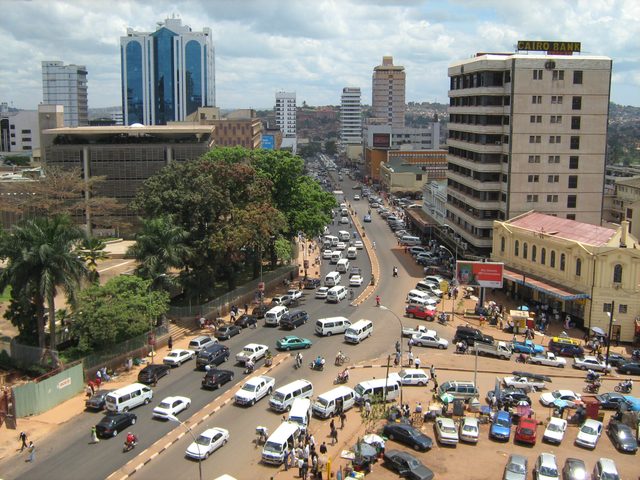
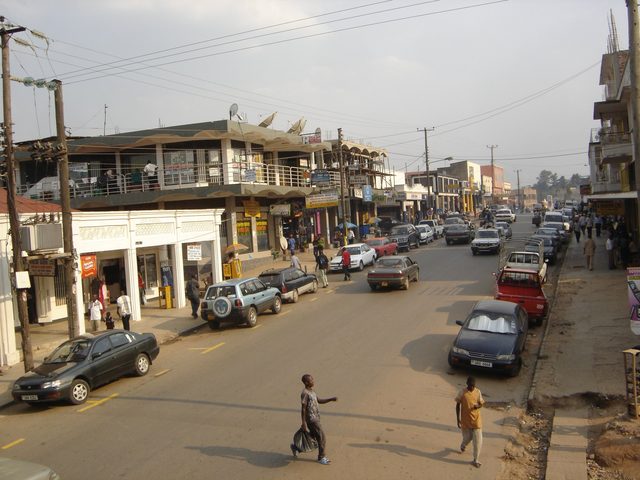

Cost of living
Numbeo publishes these source indexes relative to New York City.
Cost of LivingPotentially much less expensiveSource category: All | 2026
RentPotentially much less expensiveSource category: Rent | 2026
GroceriesPotentially much less expensiveSource category: Grocery | 2026
RestaurantPotentially much less expensiveSource category: Restaurant | 2026
Local Purchasing PowerMuch weaker local purchasing powerSource category: Purchasing Power | 2026
Sources
- Numbeo Cost of Living Index
Quality of life
Quality of Life IndexGenerally favorableSource category: Quality Of Life | 2026 | Overall quality of life index
Healthcare IndexMixedSource category: Healthcare | 2026 | Healthcare quality index (100 = best healthcare)
Crime IndexModerateSource category: Crime | 2026 | Crime index (100 = highest crime)
Safety IndexMixedSource category: Safety | 2026 | Safety index (100 = safest)
Pollution IndexHighSource category: Pollution | 2026 | Pollution index (100 = most polluted)
Traffic IndexHighSource category: Traffic | 2026 | Overall traffic index (considers time + inefficiency + CO2)
Sources
- Numbeo Cost of Living Index
Entry requirements
Visa and residency reference data is available for Permanent Residency, Tourist / Visa Waiver, Tourist / Visa Waiver, and 2 more.
Permanent Residency
- Certificate of Residence
Official certificate-of-residence service category with marriage, long-stay, and former-Ugandan subcategories linked from the NCIC page.
Tourist / Visa Waiver
- East African Tourist Visa
Joint tourist visa for travel to Uganda, Kenya, and Rwanda only. The source states it is valid for 90 days and is not renewable after expiry or exit from the bloc.
- 90 days
- No work rights
- Multiple-Entry Visa
Multiple-entry visa for frequent travelers to Uganda, issued for six, twelve, or twenty-four months and prohibiting employment.
- 24 months
- No work rights
- Uganda Tourist Visa - Single Entry
Languages
- English(Official)
- Swahili(Official)
Sources
- Country language reference
Safety
3 source-backed travel advisories are available for Uganda.
Canada
Avoid non-essential travel
Advisory effective · Verified
Avoid non-essential travel to Uganda due to the regional impact of the outbreak of Ebola disease as well as the threat of terrorism and high crime rates.
United Kingdom
No destination-wide FCDO travel warning
Advisory effective · Verified
FCDO travel advice currently has no destination-wide warning for Uganda. Review the full FCDO travel advice before travelling, including safety, entry, health, and insurance guidance.
United States
Level 4Do Not Travel
Advisory effective · Verified
Do not travel to Uganda due to crime, health, terrorism, and unrest. Please read the full text of the advisory. Travel restrictions for government employees The U.S. government has limited ability to provide emergency consular services to U.S. citizens in Uganda due to the Ebola outbreak. Health On May 17, the World Health Organization (WHO) declared the Ebola outbreak in the DRC and Uganda a Public Health Emergency of International Concern. The U.S. Centers for Disease Control and Prevention (CDC) updated its Travel Health Notice for Ebola Bundibugyo Virus Disease. Review the Travel Health Notice for Ebola for Uganda. Due to the Ebola outbreak, Uganda has temporarily closed border crossings with DRC. The only exceptions are for authorized Ebola response teams, humanitarian operations,
Visit before you move
TourRadar results matched by destination name.
Start planning your move
Choose a scenario to get started: