Tunisia
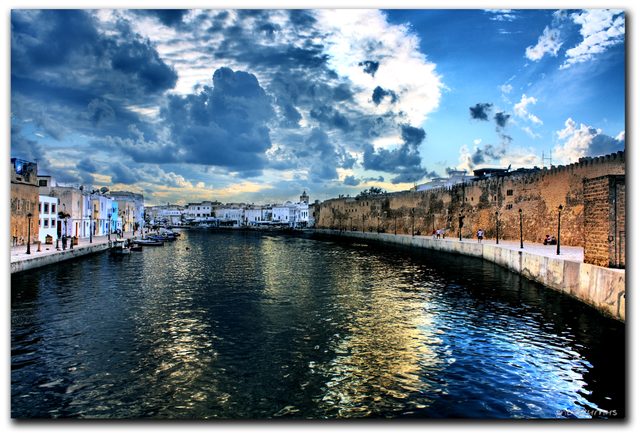
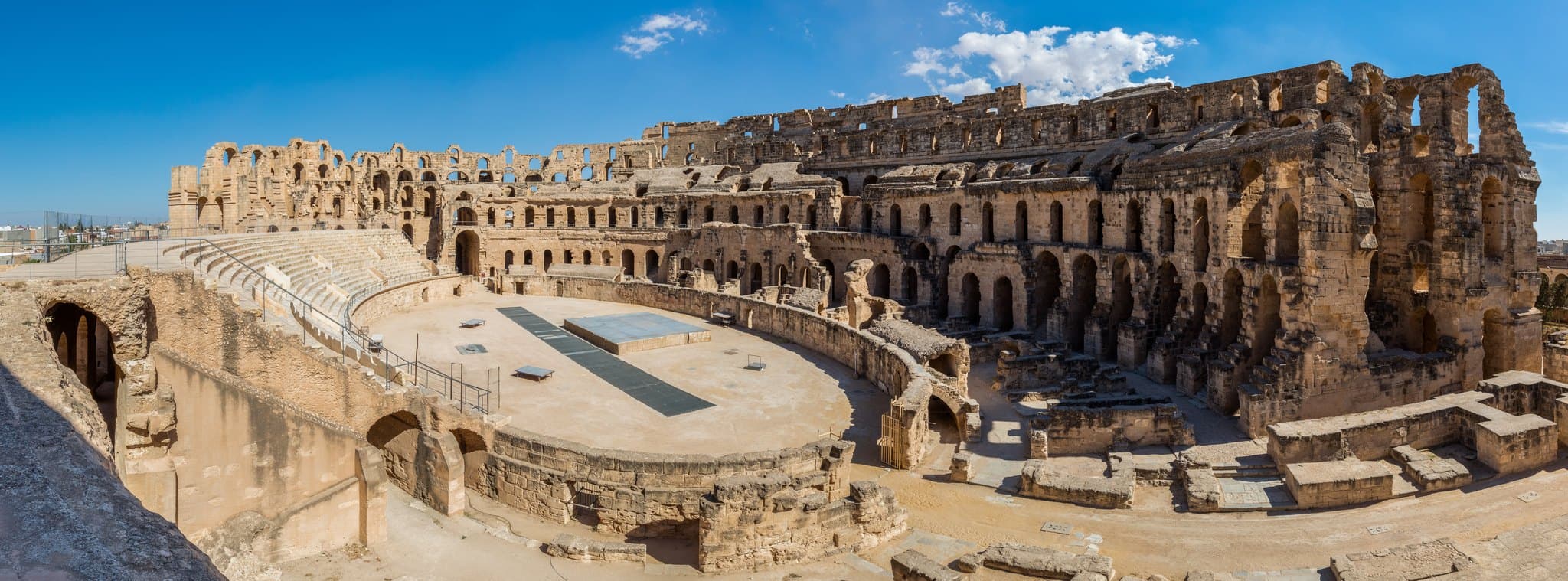
Tunisia blends Mediterranean rhythms with centuries of layered history, from coastal cities to the edge of the Sahara.
Overview
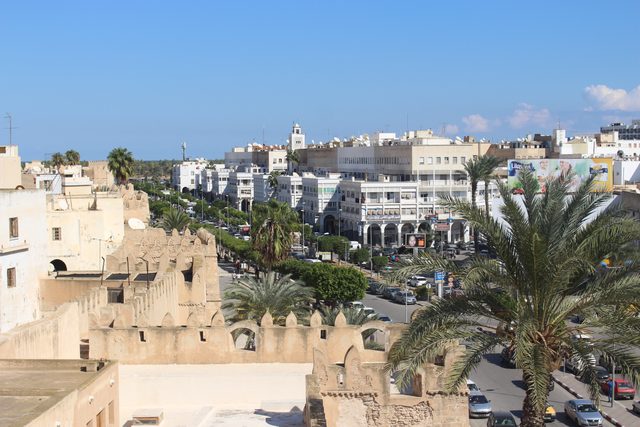
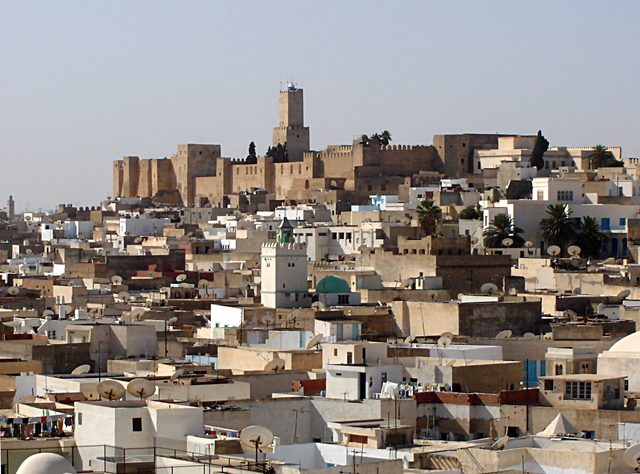
Arabic is the main language, with French widely present in daily interactions, especially in urban and professional settings. Life flows between the cosmopolitan streets of Tunis, the historic medinas of Sfax and Sousse, and the island culture of Djerba, all set against a backdrop of Phoenician, Roman, Arab, and Ottoman influences that surface in architecture, cuisine, and local customs.
At a glance
Language
- Arabic(Official)
Population11,565,204
CurrencyTunisian Dinar (TND)
1 TND = 0.3329 USD
1 USD = 3.0043 TND
Cost of living
Numbeo publishes these source indexes relative to New York City.
Cost of LivingPotentially much less expensiveSource category: All | 2026
RentPotentially much less expensiveSource category: Rent | 2026
GroceriesPotentially much less expensiveSource category: Grocery | 2026
RestaurantPotentially much less expensiveSource category: Restaurant | 2026
Local Purchasing PowerMuch weaker local purchasing powerSource category: Purchasing Power | 2026
Sources
- Numbeo Cost of Living Index
Quality of life
Quality of Life IndexStrongSource category: Quality Of Life | 2026 | Overall quality of life index
Healthcare IndexMixedSource category: Healthcare | 2026 | Healthcare quality index (100 = best healthcare)
Crime IndexModerateSource category: Crime | 2026 | Crime index (100 = highest crime)
Safety IndexMixedSource category: Safety | 2026 | Safety index (100 = safest)
Pollution IndexElevatedSource category: Pollution | 2026 | Pollution index (100 = most polluted)
Traffic IndexHighSource category: Traffic | 2026 | Overall traffic index (considers time + inefficiency + CO2)
Sources
- Numbeo Cost of Living Index
Entry requirements
Visa and residency reference data is available for Business Residence, Work (Employer-Sponsored), Temporary Residence, and 6 more.
Business Residence
- Business Visa
Tunisia business visa route requiring an official business invitation letter from the host in Tunisia, along with the application, passport, photo, legal-status proof, fee, and return-envelope requirements.
- No work rights
Work (Employer-Sponsored)
- Foreign Worker Contract Visa
Tunisia foreign-worker employment-contract visa route under the ordinary regime, requiring no available Tunisian competence in the specialty, proof of the foreign worker's qualifications, and a contract limited to one year renewable once with the same enterprise or group.
- 1 year, renewable
- Employer-sponsored only
Temporary Residence
Languages
- Arabic(Official)
Sources
- Country language reference
Safety
3 source-backed travel advisories are available for Tunisia.
Canada
Exercise a high degree of caution
Advisory effective · Verified
Exercise a high degree of caution in Tunisia due to the countrywide risk of terrorism.
United Kingdom
FCDO advises against all travel; FCDO advises against all but essential travel
Advisory effective · Verified
Your travel insurance could be invalidated if you travel against advice from the Foreign, Commonwealth & Development Office (FCDO). Western Tunisia, including the Tunisia-Algeria border.
FCDO advises against all travel to:
- the Chaambi Mountains National Park
- the designated military operations zones: Mount Salloum Mount Sammamma Mount Mghila
This is due to cross-border terrorist activity and operations by the Tunisian security forces.
In addition, FCDO advises against all but essential travel to:
- areas north and west of the town of Ghardimaou in Jendouba Governorate, including El Feidja National Park
- within 20km of the Tunisia-Algeria border in El Kef and Jendouba governorates, south of the town of Jendouba
- Kasserine Governorate, including the town of Sbeitla
- within 10km of the rest of
Visit before you move
TourRadar results matched by destination name.
Start planning your move
Choose a scenario to get started: