Chad
French and Arabic conversations flow from N’Djamena’s markets to the shifting sands of the Sahara and Lake Chad’s shores.
Overview
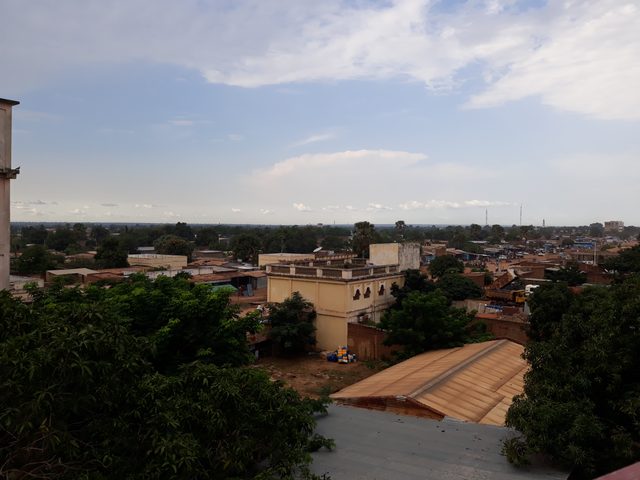
Chad’s vast geography spans desert, savanna, and lake regions, with over 200 ethnic groups shaping its social fabric. Regional contrasts define daily life—from the Sahelian north to the greener south—while French and Arabic provide a common thread in a country where diversity is the norm.
At a glance
Languages
- Arabic(Official)
- French(Official)
Population19,319,064
CurrencyCentral African CFA Franc (XAF)
1 XAF = 0.001710 USD
1 USD = 584.81 XAF
Popular places
Chad
Cost of living
Numbeo publishes these source indexes relative to New York City.
RentPotentially much less expensiveSource category: Rent | 2026
GroceriesPotentially much less expensiveSource category: Grocery | 2026
Sources
- Numbeo Cost of Living Index
Quality of life
Healthcare IndexMixedSource category: Healthcare | 2026 | Healthcare quality index (100 = best healthcare)
Crime IndexElevatedSource category: Crime | 2026 | Crime index (100 = highest crime)
Safety IndexLimitedSource category: Safety | 2026 | Safety index (100 = safest)
Pollution IndexElevatedSource category: Pollution | 2026 | Pollution index (100 = most polluted)
Traffic IndexModerateSource category: Traffic | 2026 | Overall traffic index (considers time + inefficiency + CO2)
Sources
- Numbeo Cost of Living Index
Entry requirements
Visa and residency reference data is available for Tourist / Visa Waiver.
Tourist / Visa Waiver
- e-Visa
Chad official eVisa platform for visa applications, with the May 2026 notice stating that all new visa requests must be submitted online through evisa.td, except diplomatic and courtesy visas handled by Foreign Affairs.
Sources
Languages
- Arabic(Official)
- French(Official)
Sources
- Country language reference
Safety
3 source-backed travel advisories are available for Chad.
Canada
Avoid non-essential travel
Advisory effective · Verified
Avoid non-essential travel to Chad, including the capital, N’Djamena, due to the threat of terrorism, the incidences of violent crime and of civil unrest.
United Kingdom
FCDO advises against all travel; FCDO advises against all but essential travel
Advisory effective · Verified
Your travel insurance could be invalidated if you travel against advice from the Foreign, Commonwealth & Development Office (FCDO). Borkou, Ennedi Ouest, Ennedi Est and Tibesti provinces.
FCDO advises against all travel to the northern provinces of Chad:
- Borkou Province
- Ennedi Ouest Province
- Ennedi Est Province
- Tibesti Province
Kanem Province, including Nokou. FCDO advises against all travel to the western part of Kanem Province, including the town of Nokou. Lake Chad region. FCDO advises against all travel to the Lake Chad region. Within 30km of all Chad’s other borders. FCDO advises against all travel to within 30km of all of Chad’s other borders. The rest of Chad. FCDO advises against all but essential travel to the rest of Chad, including the capital, N’Djamena.
United States
Visit before you move
TourRadar results matched by destination name.
Start planning your move
Choose a scenario to get started: