Saudi Arabia
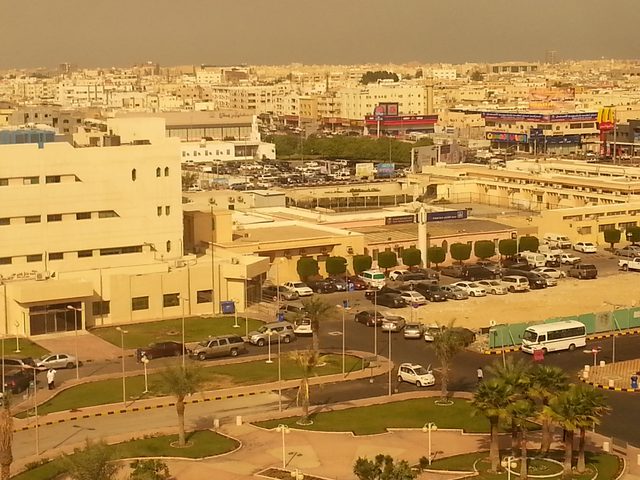
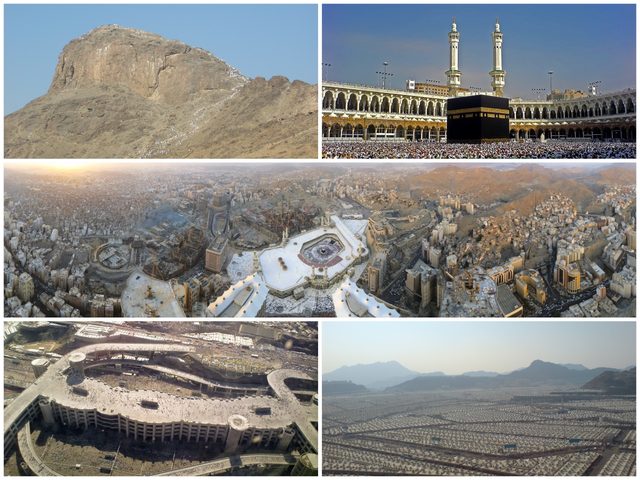
From Riyadh’s urban expanse to the Red Sea coast and the sacred cities, Saudi Arabia’s scale and contrasts invite close study.
Overview
Saudi Arabia’s vast deserts, bustling cities, and religious landmarks create a landscape marked by tradition, transformation, and regional diversity. Arabic is the language of everyday life, and planning spans major hubs like Riyadh, Jeddah, and Eastern Province, with significant distances and cultural layers across the kingdom.
At a glance
Languages
- Arabic(Official)
- Faifi(Recognized)
- Mehri(Recognized)
- Bengali(Widespread)
- Filipino(Widespread)
Population33,000,000
CurrencySaudi Riyal (SAR)
1 SAR = 0.2667 USD
1 USD = 3.7500 SAR
Popular places
Saudi Arabia
Cost of living
Numbeo publishes these source indexes relative to New York City.
Cost of LivingPotentially much less expensiveSource category: All | 2026
RentPotentially much less expensiveSource category: Rent | 2026
GroceriesPotentially much less expensiveSource category: Grocery | 2026
RestaurantPotentially much less expensiveSource category: Restaurant | 2026
Local Purchasing PowerStronger local purchasing powerSource category: Purchasing Power | 2026
Sources
- Numbeo Cost of Living Index
Quality of life
Quality of Life IndexStrongSource category: Quality Of Life | 2026 | Overall quality of life index
Healthcare IndexGenerally favorableSource category: Healthcare | 2026 | Healthcare quality index (100 = best healthcare)
Crime IndexLowSource category: Crime | 2026 | Crime index (100 = highest crime)
Safety IndexGenerally favorableSource category: Safety | 2026 | Safety index (100 = safest)
Pollution IndexElevatedSource category: Pollution | 2026 | Pollution index (100 = most polluted)
Traffic IndexHighSource category: Traffic | 2026 | Overall traffic index (considers time + inefficiency + CO2)
Sources
- Numbeo Cost of Living Index
Entry requirements
Visa and residency reference data is available for Entrepreneur / Startup, Entrepreneur / Startup, Family Visit, and 9 more.
Entrepreneur / Startup
- Entrepreneur Residency - First Category
Premium Residency entrepreneur product category for founders with Ministry of Investment entrepreneur licensing, an endorsed investment entity, qualifying investment round, and startup equity share.
- 5 years, renewable
- Full work rights
- Path to residency
- Entrepreneur Residency - Second Category
Premium Residency entrepreneur product category for larger startup investment rounds. The booklet links this category to direct permanent residency if job-creation conditions are met.
- Full work rights
- Path to residency
Family Visit
- Family Visit Visa
KSA Visa documents a family-visit request service for Saudi citizens inviting first-degree relatives through the unified national visa platform.
Languages
- Arabic(Official)
- Faifi(Recognized)
- Mehri(Recognized)
- Bengali(Widespread)
- Filipino(Widespread)
Sources
- Country language reference
Safety
3 source-backed travel advisories are available for Saudi Arabia.
Canada
Avoid non-essential travel
Advisory effective · Verified
Avoid non-essential travel to Saudi Arabia due to the volatile security situation in the region.
United Kingdom
No destination-wide FCDO travel warning
Advisory effective · Verified
FCDO travel advice currently has no destination-wide warning for Saudi Arabia. Review the full FCDO travel advice before travelling, including safety, entry, health, and insurance guidance.
United States
Level 3Reconsider Travel
Advisory effective · Verified
Reconsider travel to Saudi Arabia due to risk of Iranian drone and missile targeting of American interests, armed conflict, terrorism, exit bans, and local laws regarding social media activity. Some areas have increased risk. Read the entire Travel Advisory. U.S. government employee travel restrictions As of August 30, 2026, family members may join U.S. government employees who work in Saudi Arabia. U.S. government employees working in Saudi Arabia are not allowed to travel within 20 miles of the Yemen border due to safety risks. U.S. government employees working in Saudi Arabia are not allowed to travel to Qatif for non-essential travel due to safety risks. U.S. government employees working in Saudi Arabia need special authorization to travel to the provinces of Jizan, Asir, Najran, and
Visit before you move
TourRadar results matched by destination name.
Start planning your move
Choose a scenario to get started: