Nicaragua
Lakes, volcanoes and colonial towns define Nicaragua’s “land of lakes and volcanoes” allure.
Overview
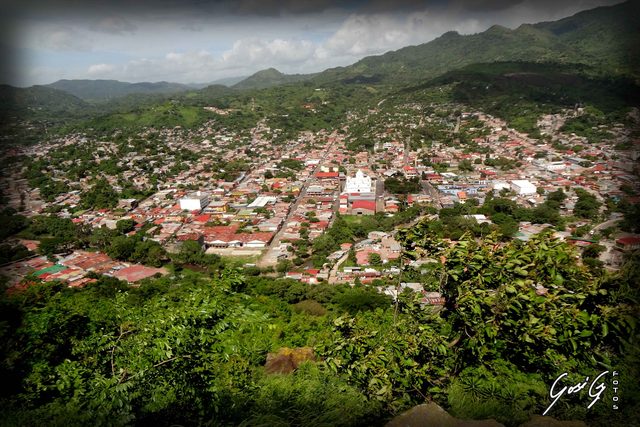
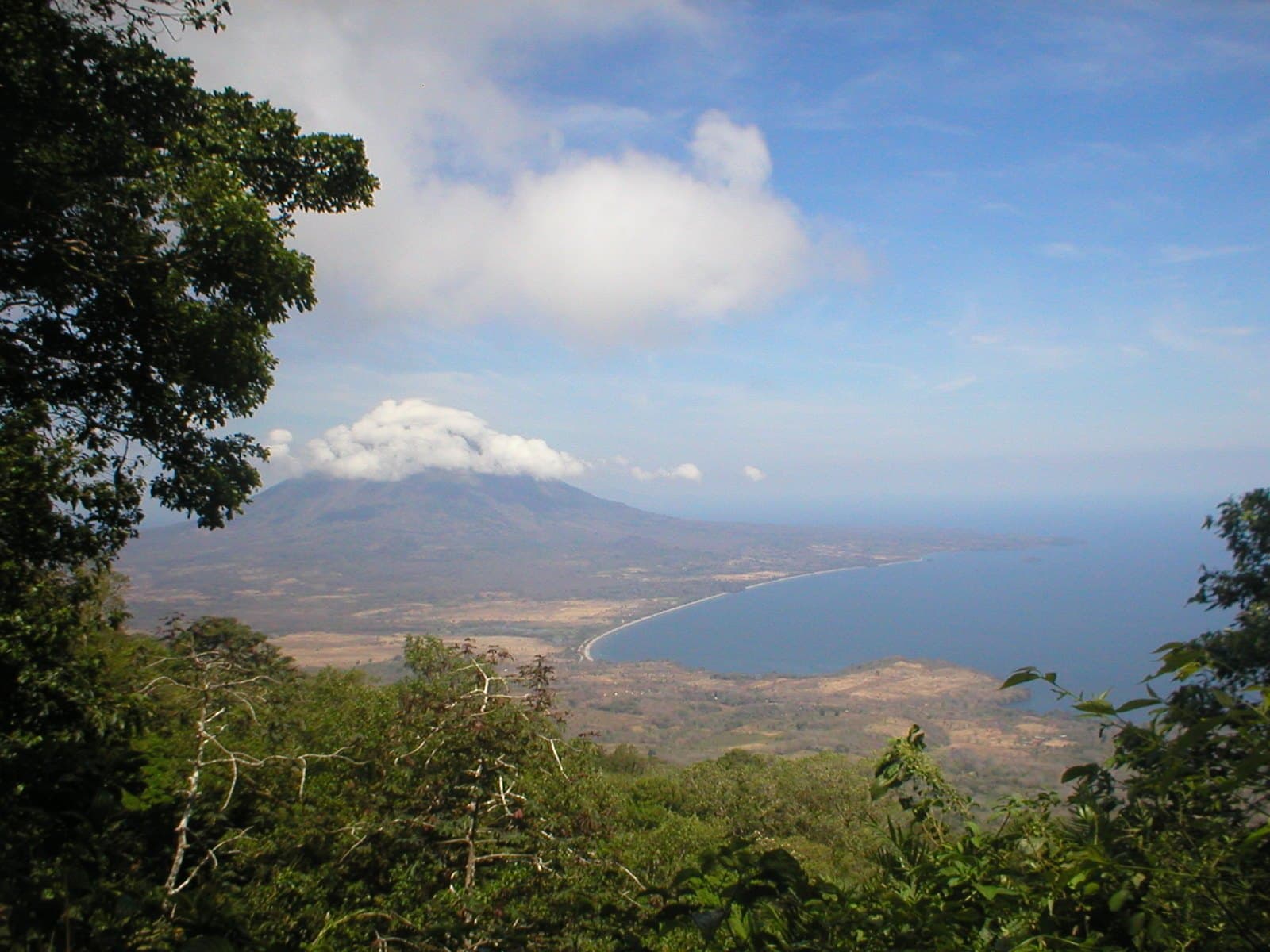
Nicaragua, the largest Central American nation by area, offers expansive Lake Nicaragua, volcanic islands like Ometepe, and historic cities such as Granada and León. Spanish is the lingua franca, and the country’s cultural rhythm blends indigenous traditions with Spanish colonial architecture, all set against a backdrop of dramatic natural features.
At a glance
Language
- Spanish(Official)
Population5,142,098
CurrencyNicaraguan Córdoba (NIO)
1 NIO = 0.0273 USD
1 USD = 36.6240 NIO
Popular places
Nicaragua
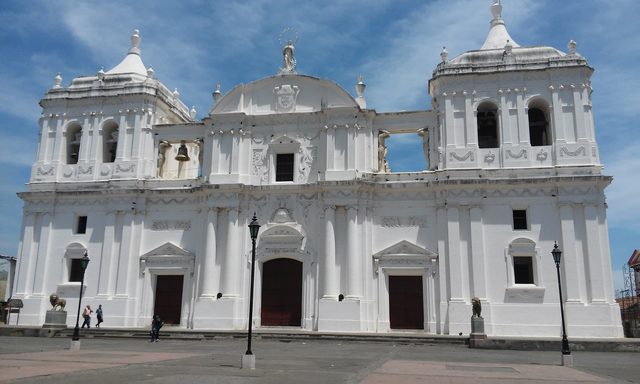
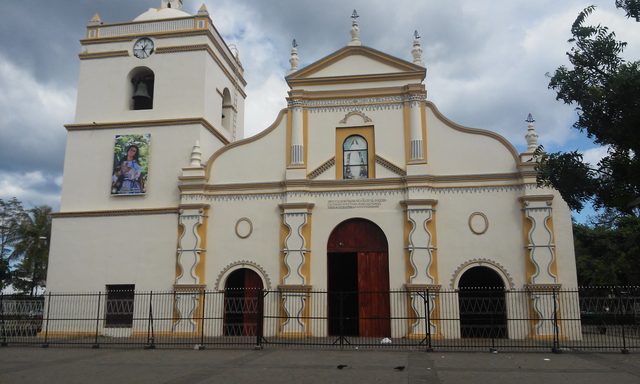
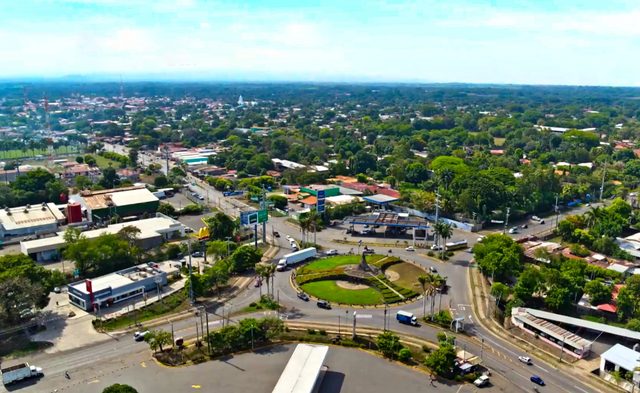
Cost of living
Numbeo publishes these source indexes relative to New York City.
Cost of LivingPotentially much less expensiveSource category: All | 2026
RentPotentially much less expensiveSource category: Rent | 2026
GroceriesPotentially much less expensiveSource category: Grocery | 2026
RestaurantPotentially much less expensiveSource category: Restaurant | 2026
Local Purchasing PowerMuch weaker local purchasing powerSource category: Purchasing Power | 2026
Sources
- Numbeo Cost of Living Index
Quality of life
Quality of Life IndexStrongSource category: Quality Of Life | 2026 | Overall quality of life index
Healthcare IndexGenerally favorableSource category: Healthcare | 2026 | Healthcare quality index (100 = best healthcare)
Crime IndexModerateSource category: Crime | 2026 | Crime index (100 = highest crime)
Safety IndexMixedSource category: Safety | 2026 | Safety index (100 = safest)
Pollution IndexElevatedSource category: Pollution | 2026 | Pollution index (100 = most polluted)
Traffic IndexHighSource category: Traffic | 2026 | Overall traffic index (considers time + inefficiency + CO2)
Sources
- Numbeo Cost of Living Index
Entry requirements
Visa and residency reference data is available for Investor, Retirement, Passive Income / Rentista, and 3 more.
Investor
- Resident Investor
Resident-investor category for foreign nationals certified by MIFIC who invest capital in lawful economic activity, state certificates, securities, or financial-institution instruments.
Retirement
- Resident Pensionado
Permanent residence route for a person with pension or retirement income from governments, public institutions, or private institutions.
Passive Income / Rentista
- Resident Rentista
Permanent residence route for a person with stable permanent foreign-generated rent income.
Temporary Residence
Temporary residence for foreign nationals who enter intending to reside in Nicaragua for three months to one year, renewable, or for the time needed to perform the activity, cause, or purpose that determined admission.
Languages
- Spanish(Official)
- Garifuna(Regional)
- Mayangna(Regional)
- Rama(Regional)
Sources
- Country language reference
Safety
3 source-backed travel advisories are available for Nicaragua.
Canada
Exercise a high degree of caution
Advisory effective · Verified
Exercise a high degree of caution in Nicaragua due to the political situation, the potential for civil unrest and crime.
United Kingdom
No destination-wide FCDO travel warning
Advisory effective · Verified
FCDO travel advice currently has no destination-wide warning for Nicaragua. Review the full FCDO travel advice before travelling, including safety, entry, health, and insurance guidance.
United States
Level 3Reconsider Travel
Advisory effective · Verified
Reconsider travel in Nicaragua due to risk of crime, health, wrongful detention, and arbitrary enforcement of local laws. U.S. government employee travel restrictions U.S. government employees working in Nicaragua are generally not allowed to drive after dark due to safety risks. These include inadequate street lighting and poor road conditions. However, they are allowed to drive at all times in Managua and on Carretera Masaya between Managua and Granada. U.S. government employees working in Nicaragua are not allowed to use public transportation due to safety risks. U.S. government employees working in Nicaragua are not allowed to go to these places due to safety risks: Managua's Mercado Oriental Managua’s national baseball stadium Casinos and strip clubs Non-personal service contractors
Visit before you move
TourRadar results matched by destination name.
Start planning your move
Choose a scenario to get started: