Nigeria
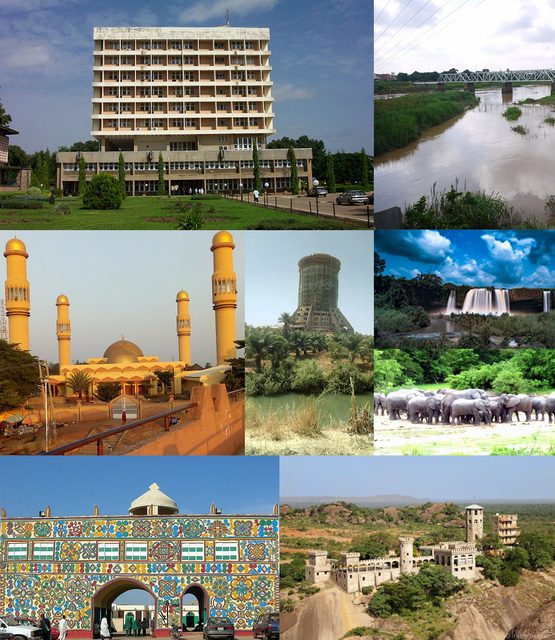
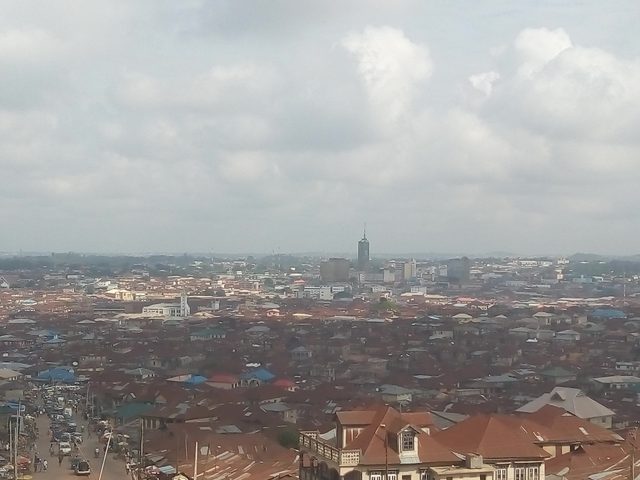
Nigeria’s megacities, languages, and creative energy make it a dynamic hub at the crossroads of Africa’s coast and savanna.
Overview
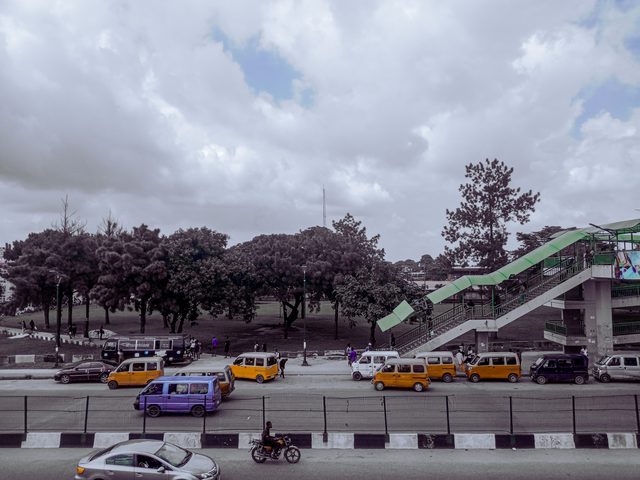
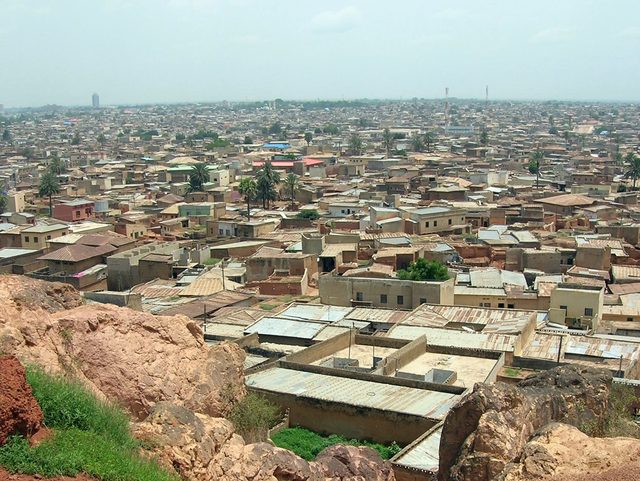
English is the official language, but daily life flows through Hausa, Yoruba, Igbo, and hundreds of other languages. From Lagos’s urban sprawl to the northern markets of Kano and the oil-rich rivers of Port Harcourt, Nigeria’s regions pulse with distinct food, music, and cultural scenes. Federal structure and state-level variation shape the lived experience across this vast, diverse country.
At a glance
Languages
- English(Official)
- Hausa(Official)
- Igbo(Official)
- Yoruba(Official)
Population211,400,708
CurrencyNigerian Naira (NGN)
1 NGN = 0.0007523 USD
1 USD = 1329.27 NGN
Cost of living
Numbeo publishes these source indexes relative to New York City.
Cost of LivingPotentially much less expensiveSource category: All | 2026
RentPotentially much less expensiveSource category: Rent | 2026
GroceriesPotentially much less expensiveSource category: Grocery | 2026
RestaurantPotentially much less expensiveSource category: Restaurant | 2026
Local Purchasing PowerMuch weaker local purchasing powerSource category: Purchasing Power | 2026
Sources
- Numbeo Cost of Living Index
Quality of life
Quality of Life IndexLimitedSource category: Quality Of Life | 2026 | Overall quality of life index
Healthcare IndexMixedSource category: Healthcare | 2026 | Healthcare quality index (100 = best healthcare)
Crime IndexElevatedSource category: Crime | 2026 | Crime index (100 = highest crime)
Safety IndexLimitedSource category: Safety | 2026 | Safety index (100 = safest)
Pollution IndexHighSource category: Pollution | 2026 | Pollution index (100 = most polluted)
Traffic IndexHighSource category: Traffic | 2026 | Overall traffic index (considers time + inefficiency + CO2)
Sources
- Numbeo Cost of Living Index
Entry requirements
Visa and residency reference data is available for Tourist / Visa Waiver.
Tourist / Visa Waiver
- Short Stay Visa (e-Visa)
Nigeria short-stay e-Visa route for visits not exceeding three months for tourism, business meetings, conferences, temporary work permits, and similar short-visit purposes. The source states eVisa-class short visits are not extendable.
- 90 days
Sources
Languages
- English(Official)
- Hausa(Official)
- Igbo(Official)
- Yoruba(Official)
Sources
- Country language reference
Safety
3 source-backed travel advisories are available for Nigeria.
Canada
Avoid non-essential travel
Advisory effective · Verified
Avoid non-essential travel to Nigeria, including in Abuja, due to the unpredictable security situation throughout the country and the significant risk of terrorism, crime, inter-communal clashes, armed attacks and kidnappings.This advisory excludes the cities of Calabar and Lagos, where you should exercise a high degree of caution.
United Kingdom
FCDO advises against all travel; FCDO advises against all but essential travel
Advisory effective · Verified
Your travel insurance could be invalidated if you travel against advice from the Foreign, Commonwealth & Development Office (FCDO). North East Nigeria.
FCDO advises against all travel to:
- Borno State
- Yobe State
- Adamawa State
- Gombe State
FCDO advises against all but essential travel to: Bauchi State. North West Nigeria.
- Katsina State
- Zamfara State
- Kaduna State
- Kano State
- Kebbi State
- Jigawa State
- Sokoto State
North Central Nigeria and the Federal Capital Territory, including Abuja.
- Niger State
- Kogi State
- Plateau State
- Taraba State
- Kwara State
- Benue State
South East and South South Nigeria. FCDO advises against all travel to the riverine areas (the river and swamp locations accessible by boat, but not by road) of Delta, Bayelsa, Rivers, Akwa Ibom and Cross River states. Abia
Visit before you move
TourRadar results matched by destination name.
Start planning your move
Choose a scenario to get started: