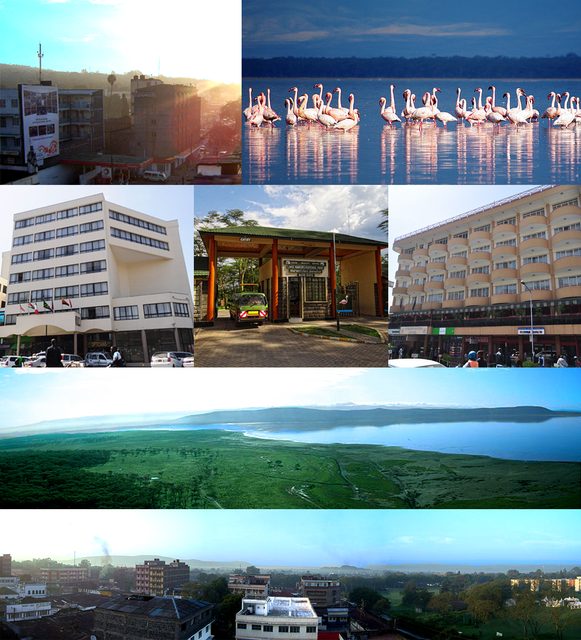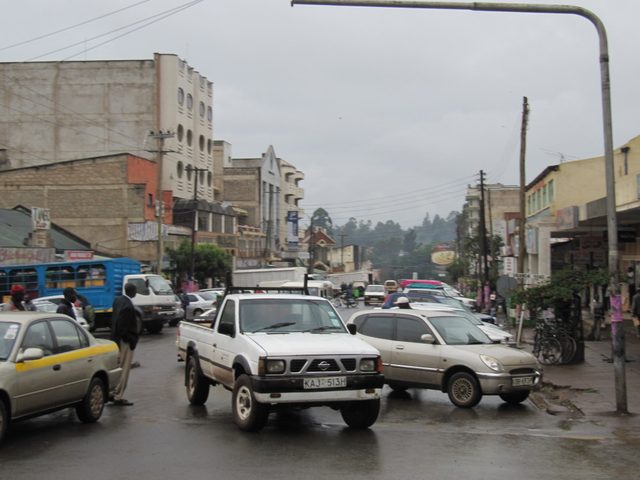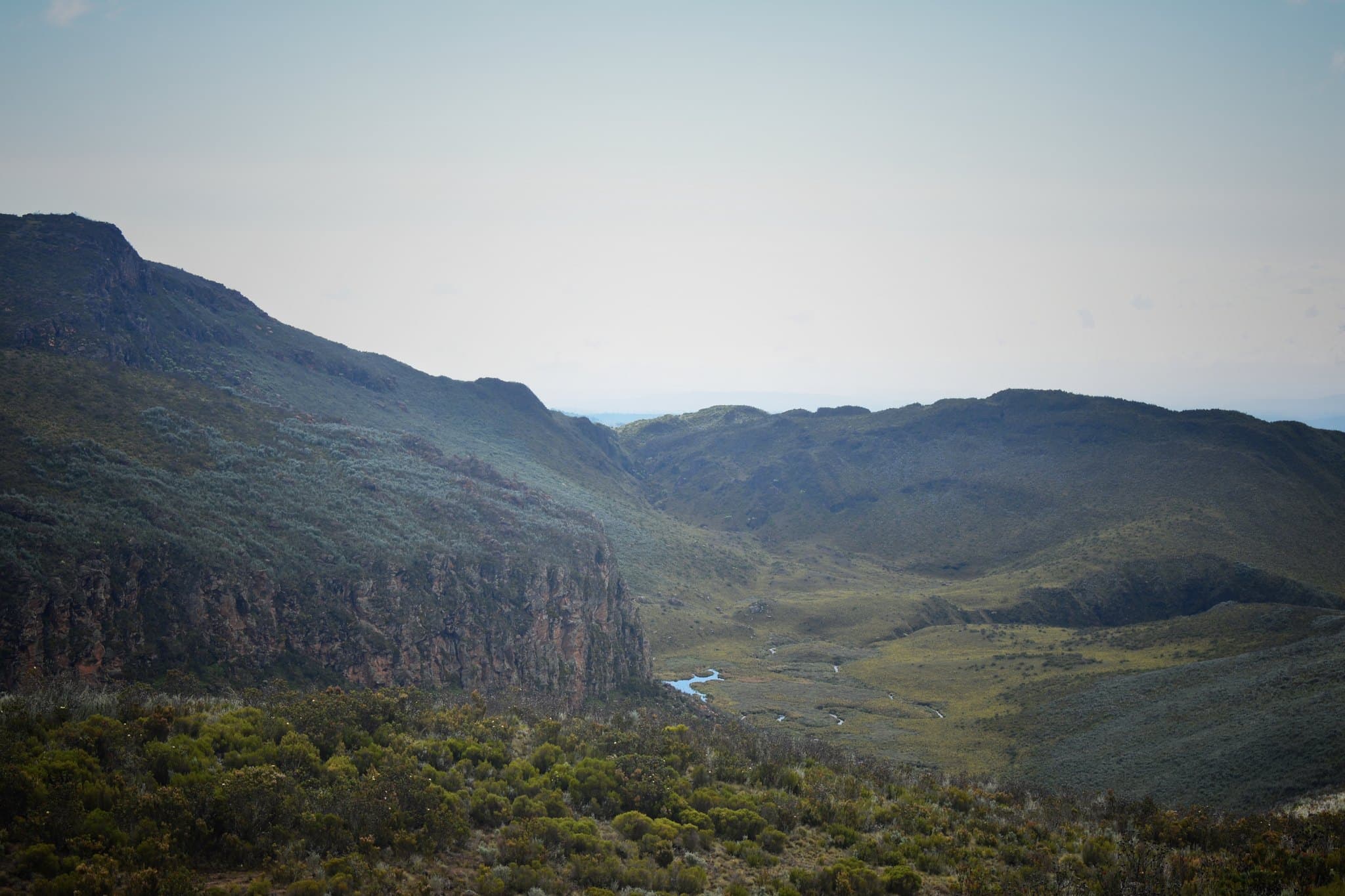
Kenya
Kenya’s urban innovation, Swahili rhythms, and sweeping landscapes create a dynamic setting for new routines and regional connections.
Overview
Whether navigating Nairobi’s tech corridors, exploring the Indian Ocean coast in Mombasa, or tracing Rift Valley lakes, Kenya’s diversity is always close at hand. English and Swahili thread through daily life, while conservation, mobility, and a lively arts scene shape the country’s evolving identity.
At a glance
Languages
- English(Official)
- Swahili(Official)
Population48,468,138
CurrencyKenyan Shilling (KES)
1 KES = 0.007709 USD
1 USD = 129.72 KES
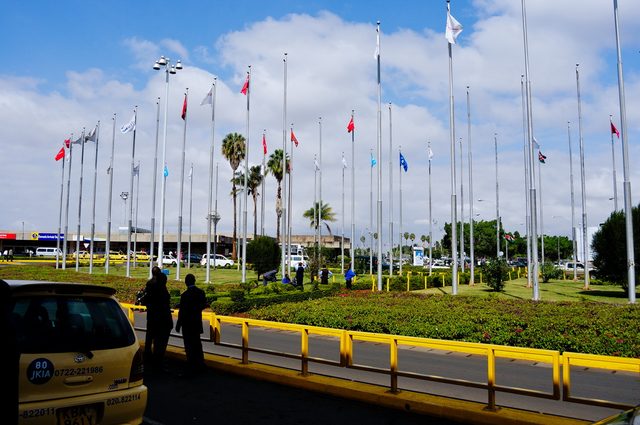
Popular places
Kenya
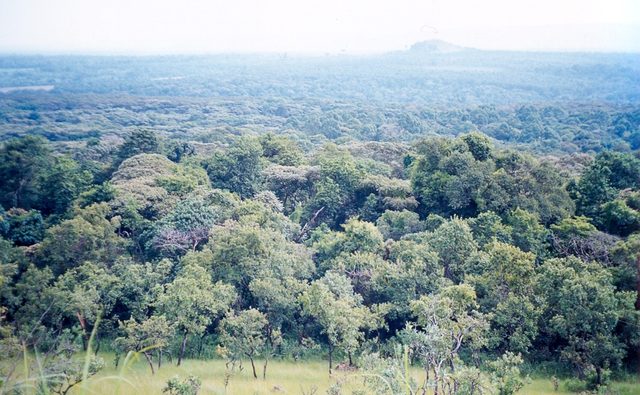
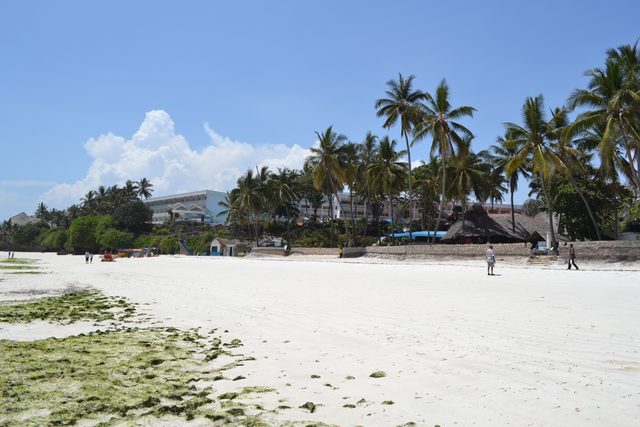
Cost of living
Numbeo publishes these source indexes relative to New York City.
Cost of LivingPotentially much less expensiveSource category: All | 2026
RentPotentially much less expensiveSource category: Rent | 2026
GroceriesPotentially much less expensiveSource category: Grocery | 2026
RestaurantPotentially much less expensiveSource category: Restaurant | 2026
Local Purchasing PowerMuch weaker local purchasing powerSource category: Purchasing Power | 2026
Sources
- Numbeo Cost of Living Index
Quality of life
Quality of Life IndexStrongSource category: Quality Of Life | 2026 | Overall quality of life index
Healthcare IndexGenerally favorableSource category: Healthcare | 2026 | Healthcare quality index (100 = best healthcare)
Crime IndexModerateSource category: Crime | 2026 | Crime index (100 = highest crime)
Safety IndexMixedSource category: Safety | 2026 | Safety index (100 = safest)
Pollution IndexElevatedSource category: Pollution | 2026 | Pollution index (100 = most polluted)
Traffic IndexHighSource category: Traffic | 2026 | Overall traffic index (considers time + inefficiency + CO2)
Sources
- Numbeo Cost of Living Index
Entry requirements
Visa and residency reference data is available for Work (Employer-Sponsored), Investor, Tourist / Visa Waiver, and 1 more.
Work (Employer-Sponsored)
- Class D Work Permit
Employment permit for a person offered specific employment by a specific employer, government body, or approved aid scheme where the applicant has skills or qualifications not available in Kenya.
- Employer-sponsored only
Investor
- Class G Business / Consultancy Permit
Business, trade, consultancy, or profession permit for a person engaging alone or in partnership in a specific trade, business, consultancy, or non-prescribed profession in Kenya.
- Limited work rights
Tourist / Visa Waiver
- Electronic Travel Authorisation (eTA)
Pre-travel electronic authorization required for foreign visitors except exempt EAC member-state citizens. The official eTA site states applications must be completed through the official website or official mobile app.
Languages
- English(Official)
- Swahili(Official)
Sources
- Country language reference
Safety
3 source-backed travel advisories are available for Kenya.
Canada
Exercise a high degree of caution
Advisory effective · Verified
Exercise a high degree of caution in Kenya due to the threat of terrorism and a high crime rate.
United Kingdom
FCDO advises against all travel; FCDO advises against all but essential travel
Advisory effective · Verified
Your travel insurance could be invalidated if you travel against advice from the Foreign, Commonwealth & Development Office (FCDO). Kenya-Somalia border and northern parts of the east coast.
Due to the risk of terrorism from groups based in Somalia, FCDO advises against all travel to:
- Mandera County
- Tarbaj and Wajir East constituencies in Wajir County, except for Wajir Town
- areas of Wajir County within 60km of Kenya’s border with Somalia
- Garissa County - except for Garissa Town, the constituency of Lagdera and the areas of Balambala constituency which lie north and west of the main road which runs from Saka on the Tana River up to the intersection with the C81 Road
- Lamu County, except for Lamu Island and Manda Island
FCDO advises against all but essential travel to:
- Garissa Town
- Tana
Visit before you move
TourRadar results matched by destination name.
Start planning your move
Choose a scenario to get started: