Avoid all travel
Avoid all travel to Iraq due to the ongoing military activities. Shelter in place if instructed to by local authorities. You should leave Iraq at the earliest opportunity while commercial options are available.

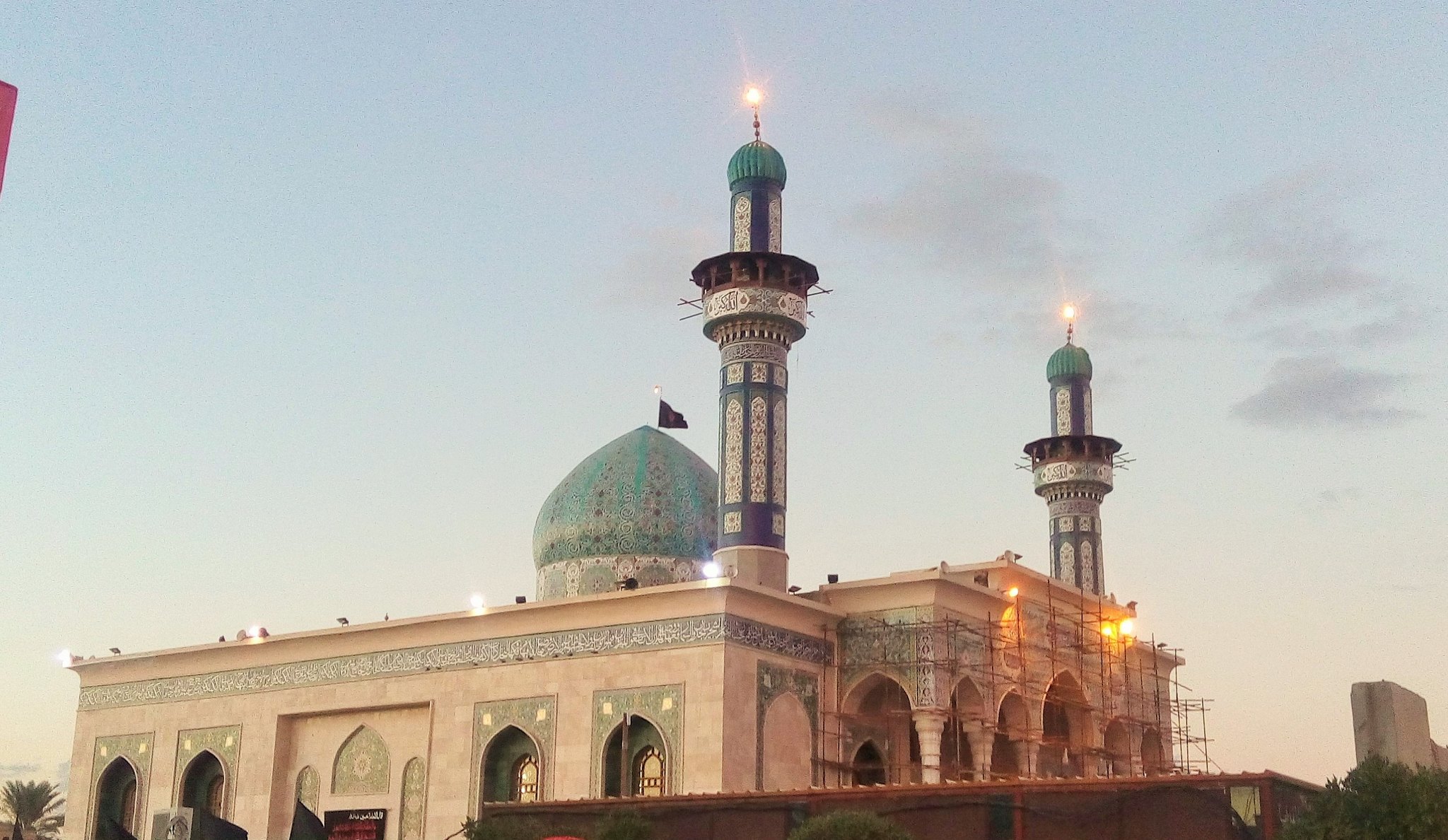
Karbala, a holy city in Southern Iraq, is a significant pilgrimage site for Shia Muslims.
Set your origin to compare Karbala with where you live.
The city's primary attraction is the Imam Husayn Shrine, central to its religious importance. Visitors arrive by bus or car, as vehicle access to the downtown area near the shrines is restricted.
Recent conditions and near-term forecast near Karbala.
Connectivity tiers and measured network speeds are provided for comparison.
3 source-backed travel advisories are available for Iraq.
Avoid all travel
Avoid all travel to Iraq due to the ongoing military activities. Shelter in place if instructed to by local authorities. You should leave Iraq at the earliest opportunity while commercial options are available.
FCDO advises against all travel
Your travel insurance could be invalidated if you travel against advice from the Foreign, Commonwealth & Development Office (FCDO). Federal Iraq and the Kurdistan Region of Iraq FCDO advises against all travel to Federal Iraq and the Kurdistan Region of Iraq. This is due to recent escalation in regional conflict. There is significant risk of further escalation, and events are fast-moving and unpredictable.
Do Not Travel
Do not travel to Iraq due to terrorism, kidnapping, armed conflict, civil unrest, and the U.S. government’s limited ability to provide emergency services to U.S. citizens in Iraq. Do not travel to Iraq for any reason. Leave now if you are there. On March 2, 2026, the Department of State ordered non-emergency U.S. government employees to leave Iraq due to security concerns. U.S. citizens in Iraq face high risks, including violence and kidnapping. Terrorist and insurgent groups regularly attack Iraqi security forces and civilians. Anti-U.S. militias threaten U.S. citizens and international companies. Attacks using improvised explosive devices, indirect fire, and unmanned aerial vehicles occur in many areas, including major cities. The Department of State requires U.S. government personnel in Iraq to live and work under strict security due to serious threats. Terrorism There is risk of terrorist violence, including terrorist attacks and other activity in Iraq. Visit the U.S. Department of State’s country reports on terrorism to learn more. Unrest Demonstrations, protests, and strikes occur frequently throughout the country. These events can develop quickly without prior notice, often interrupting traffic, transportation, and other services, and sometimes turn violent.
Armed Conflict Do not travel near armed groups or Iraq’s northern borders due to:
U.S. citizens should not travel through Iraq to engage in armed conflict in Syria, where they would face extreme personal risks (kidnapping, injury, or death) and legal risks (arrest, fines, and expulsion). The Kurdistan Regional Government in Iraq has stated it will impose prison sentences of up to ten years on individuals who illegally cross the Iraq-Syria border. Fighting on behalf of or providing other forms of support to designated terrorist organizations can constitute the provision of material support to a foreign terrorist organization, which is a crime under U.S. law that can result in penalties including prison time and large fines. Read the Syria Travel Advisory for more information. Because of security concerns, U.S. government personnel in Baghdad are prohibited from using Baghdad International Airport. Aviation Safety The Federal Aviation Administration (FAA) has issued a Notice to Airmen (NOTAM) and a Special Federal Aviation Regulation (SFAR) due to risks to civil aviation operating within or in the vicinity of Iraq. For more information, U.S. citizens should consult the Federal Aviation Administration’s Prohibitions, Restrictions, and Notices.
Choose a scenario to get started: