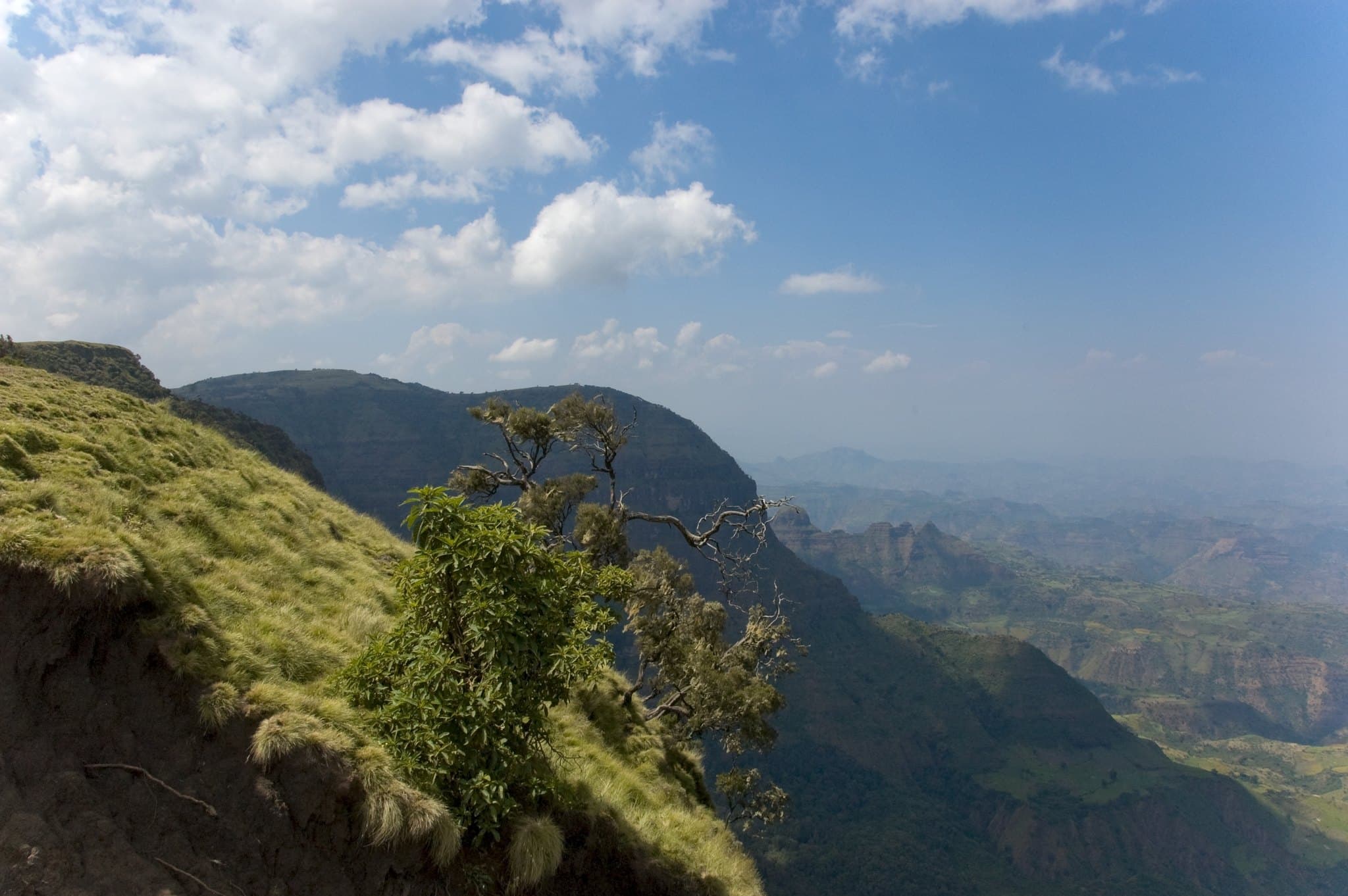
Ethiopia
Ethiopia’s highland rhythms, ancient churches, and coffee rituals invite you into a multilayered crossroads of language and tradition.
Overview
From the energetic pulse of Addis Ababa to the carved stone churches of Lalibela and the walled city of Harar, Ethiopia offers a striking mix of Orthodox heritage, vibrant markets, and regional diversity. Amharic anchors daily life, but dozens of languages echo across the Rift Valley, historic northern routes, and bustling city centers.
At a glance
Languages
- Afar(Official)
- Amharic(Official)
- Oromo(Official)
- Tigrinya(Official)
- Gumuz(Recognized)
- Harari(Recognized)
- Kunama(Recognized)
- Sidamo(Recognized)
- Somali(Recognized)
Population128,691,692
CurrencyEthiopian Birr (ETB)
1 ETB = 0.006196 USD
1 USD = 161.39 ETB
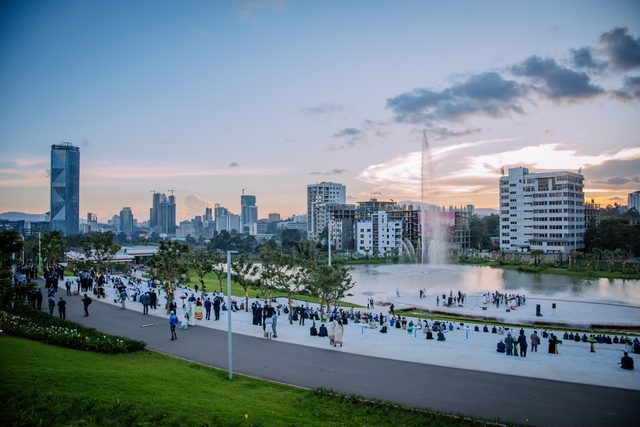
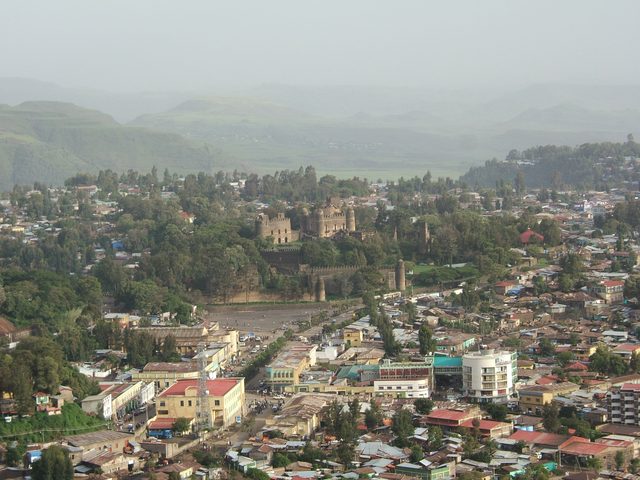
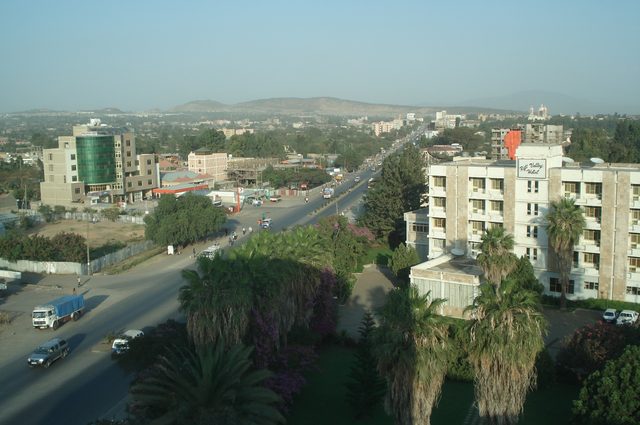
Popular places
Ethiopia
Cost of living
Numbeo publishes these source indexes relative to New York City.
Cost of LivingPotentially much less expensiveSource category: All | 2026
RentPotentially much less expensiveSource category: Rent | 2026
GroceriesPotentially much less expensiveSource category: Grocery | 2026
RestaurantPotentially much less expensiveSource category: Restaurant | 2026
Local Purchasing PowerMuch weaker local purchasing powerSource category: Purchasing Power | 2026
Sources
- Numbeo Cost of Living Index
Quality of life
Quality of Life IndexGenerally favorableSource category: Quality Of Life | 2026 | Overall quality of life index
Healthcare IndexMixedSource category: Healthcare | 2026 | Healthcare quality index (100 = best healthcare)
Crime IndexModerateSource category: Crime | 2026 | Crime index (100 = highest crime)
Safety IndexMixedSource category: Safety | 2026 | Safety index (100 = safest)
Pollution IndexElevatedSource category: Pollution | 2026 | Pollution index (100 = most polluted)
Traffic IndexHighSource category: Traffic | 2026 | Overall traffic index (considers time + inefficiency + CO2)
Sources
- Numbeo Cost of Living Index
Entry requirements
Visa and residency reference data is available for Investor, Work (Employer-Sponsored), Work (Employer-Sponsored), and 1 more.
Investor
- Investment Visa
Visa for foreign nationals engaged in investment activities and potential investors travelling to Ethiopia for investment purposes. The source lists single- and multiple-entry options up to 12 months.
- 12 months
- Limited work rights
Work (Employer-Sponsored)
- NGO Work Visa
Work visa for foreign nationals invited by NGOs operating in Ethiopia for employment or short-term assignments.
- 90 days
- Employer-sponsored only
- Private Business Firm Work Visa
Work visa for foreign nationals coming for employment or other short-term assignments with Ethiopian private business firms.
- 30 days
- Employer-sponsored only
Languages
- Afar(Official)1,980,500 speakers
- Amharic(Official)34,134,500 speakers
- Oromo(Official)39,377,000 speakers
- Tigrinya(Official)
- Gumuz(Recognized)
- Harari(Recognized)
- Kunama(Recognized)
- Sidamo(Recognized)4,660,000 speakers
- Somali(Recognized)7,223,000 speakers
Sources
- Country language reference
Safety
3 source-backed travel advisories are available for Ethiopia.
Canada
Avoid non-essential travel
Advisory effective · Verified
Avoid non-essential travel to Ethiopia due to civil unrest, violence, fuel shortages, armed conflict and crime. The security situation can deteriorate further without warning.This advisory excludes Addis Ababa where you should exercise a high degree of caution.Our ability to provide consular assistance is limited in some regions.
United Kingdom
FCDO advises against all travel; FCDO advises against all but essential travel
Advisory effective · Verified
Border areas.
FCDO advises against all travel to within:
- 20km of the border with Sudan
- 10km of the border with South Sudan
- 100km of the Ethiopian border with Somalia and Kenya in Ethiopia’s Somali region, and within 30km of the Ethiopian border with Somalia in Fafan zone, except the border town and crossing at Wajale, and the principal road between Jijiga and Wajale
- 10km of the border with Kenya, except for principal roads and towns
- 20km of the border with Eritrea
Tigray region. FCDO advises against all travel to Tigray region. Amhara region. FCDO advises against all travel to Amhara region. Afar region. FCDO advises against all travel to within 20km of the border with Eritrea FCDO advises against all travel to within 50km of the boundary with Tigray region. FCDO advises against all
Visit before you move
TourRadar results matched by destination name.
Start planning your move
Choose a scenario to get started: