Côte d’Ivoire
Côte d’Ivoire’s French-speaking cities pulse with music, food, and the contrasts of lagoon, forest, and savanna.
Overview
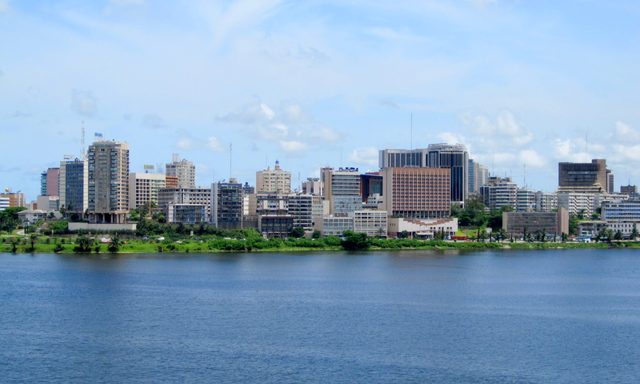
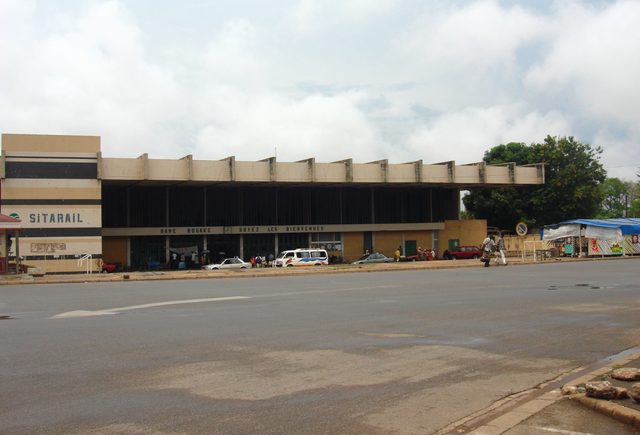
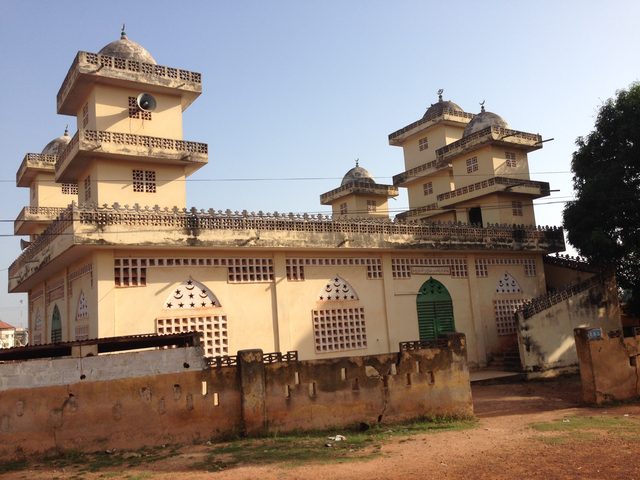
Abidjan’s energy, Yamoussoukro’s monuments, and Bouake’s markets reflect a country shaped by regional diversity—from coastal lagoons to northern grasslands. Food, music, and a dynamic urban scene are central to daily life, with each region offering its own tempo and traditions.
At a glance
Language
- French(Official)
Population31,165,654
CurrencyWest African CFA Franc (XOF)
1 XOF = 0.001709 USD
1 USD = 585.20 XOF
Popular places
Côte d’Ivoire
Cost of living
Numbeo publishes these source indexes relative to New York City.
Cost of LivingPotentially much less expensiveSource category: All | 2026
RentPotentially much less expensiveSource category: Rent | 2026
GroceriesPotentially much less expensiveSource category: Grocery | 2026
RestaurantPotentially much less expensiveSource category: Restaurant | 2026
Local Purchasing PowerMuch weaker local purchasing powerSource category: Purchasing Power | 2026
Sources
- Numbeo Cost of Living Index
Quality of life
Quality of Life IndexMixedSource category: Quality Of Life | 2026 | Overall quality of life index
Healthcare IndexMixedSource category: Healthcare | 2026 | Healthcare quality index (100 = best healthcare)
Crime IndexModerateSource category: Crime | 2026 | Crime index (100 = highest crime)
Safety IndexMixedSource category: Safety | 2026 | Safety index (100 = safest)
Pollution IndexHighSource category: Pollution | 2026 | Pollution index (100 = most polluted)
Traffic IndexHighSource category: Traffic | 2026 | Overall traffic index (considers time + inefficiency + CO2)
Sources
- Numbeo Cost of Living Index
Entry requirements
Visa and residency reference data is available for Tourist / Visa Waiver.
Tourist / Visa Waiver
- Biometric e-Visa
Cote d'Ivoire biometric e-Visa route handled through SNEDAI, the site identified by the official embassy as the recognized channel for eVisa applications. The embassy page lists the approved pre-enrollment document and original fee receipt for presentation at Abidjan airport.
Languages
- French(Official)
Sources
- Country language reference
Safety
3 source-backed travel advisories are available for Ivory Coast.
Canada
Exercise a high degree of caution
Advisory effective · Verified
Exercise a high degree of caution in Côte d’Ivoire due to crime.
United Kingdom
FCDO advises against all travel; FCDO advises against all but essential travel
Advisory effective · Verified
Your travel insurance could be invalidated if you travel against advice from the Foreign, Commonwealth & Development Office (FCDO). Borders with Burkina Faso and Mali.
FCDO advises against all travel to:
- within 40km of the borders with Burkina Faso and Mali
- Northern Zanzan and Savanes provinces
- Comoé National Park
This is due to an increased risk of terrorist attacks and kidnaps by terrorists based in the Sahel region, which includes Burkina Faso and Mali. Côte d’Ivoire-Liberia border. FCDO advises against all but essential travel to within 20km of the border with Liberia owing to the risk of serious violence by local militias.
United States
Level 2Exercise Increased Caution
Visit before you move
TourRadar results matched by destination name.
Start planning your move
Choose a scenario to get started: