Central African Republic
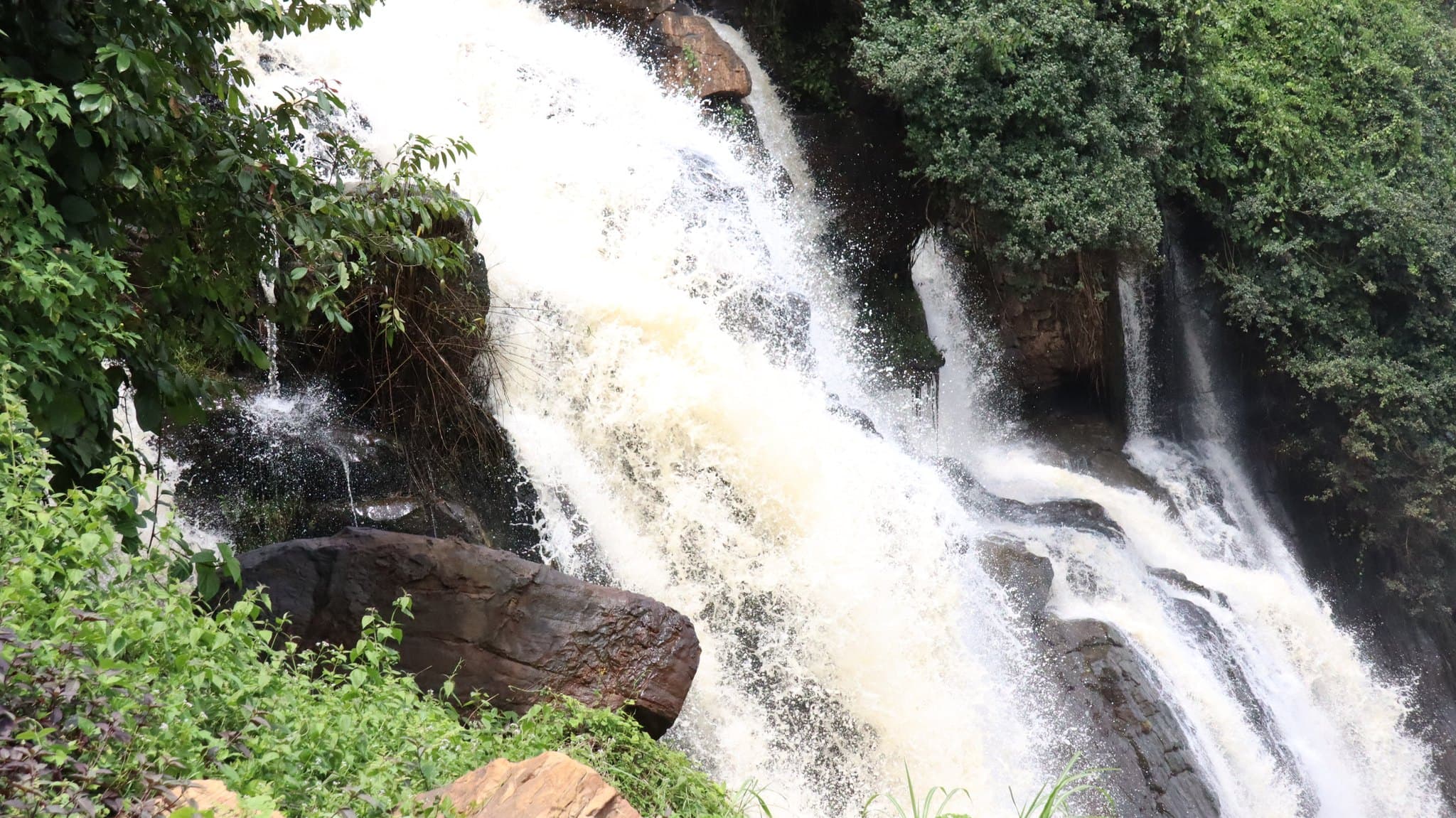
The Central African Republic’s rainforests and savannas unfold in French and Sango, anchored by Bangui’s riverfront pulse.
Overview
At the heart of Africa, the Central African Republic blends French colonial legacies with Sango and local languages. Bangui sits at the crossroads of forest and savanna, with regional planning shaped by shifting local realities. Current-source review is essential for anyone considering a move.
At a glance
Languages
- French(Official)
- Sango(Official)
Population5,152,421
CurrencyCentral African CFA Franc (XAF)
1 XAF = 0.001710 USD
1 USD = 584.81 XAF


Entry requirements
Visa and residency reference data is available for Long-Stay Visa, Tourist / Visa Waiver.
Long-Stay Visa
Central African Republic embassy long-stay visa form for stays of forty-five to ninety days, with the form listing a 300 euro tariff.
- 90 days
Tourist / Visa Waiver
- Short-Stay Visa
Central African Republic embassy short-stay visa form for stays of one to thirty days, with the form listing an 80 euro tariff.
- 30 days
Languages
- French(Official)
- Sango(Official)
Sources
- Country language reference
Safety
3 source-backed travel advisories are available for Central African Republic.
Canada
Avoid all travel
Advisory effective · Verified
Avoid all travel to the Central African Republic due to unstable security conditions and violent crime.
United Kingdom
FCDO advises against all travel; FCDO advises against all but essential travel
Advisory effective · Verified
Your travel insurance could be invalidated if you travel against advice from the Foreign, Commonwealth & Development Office (FCDO). FCDO advises against all travel to the whole of the Central African Republic, including the areas of Bimbo, Begoua and Coline, except to the capital, Bangui. FCDO advises against all but essential travel to Bangui, including Bangui M’Poko International Airport.
United States
Level 4Do Not Travel
Advisory effective · Verified
Visit before you move
TourRadar results matched by destination name.
Start planning your move
Choose a scenario to get started: