Burundi
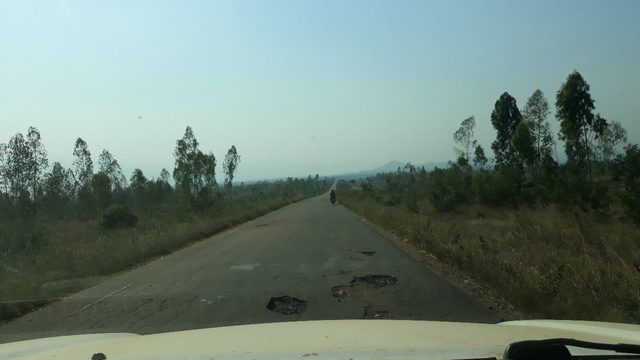
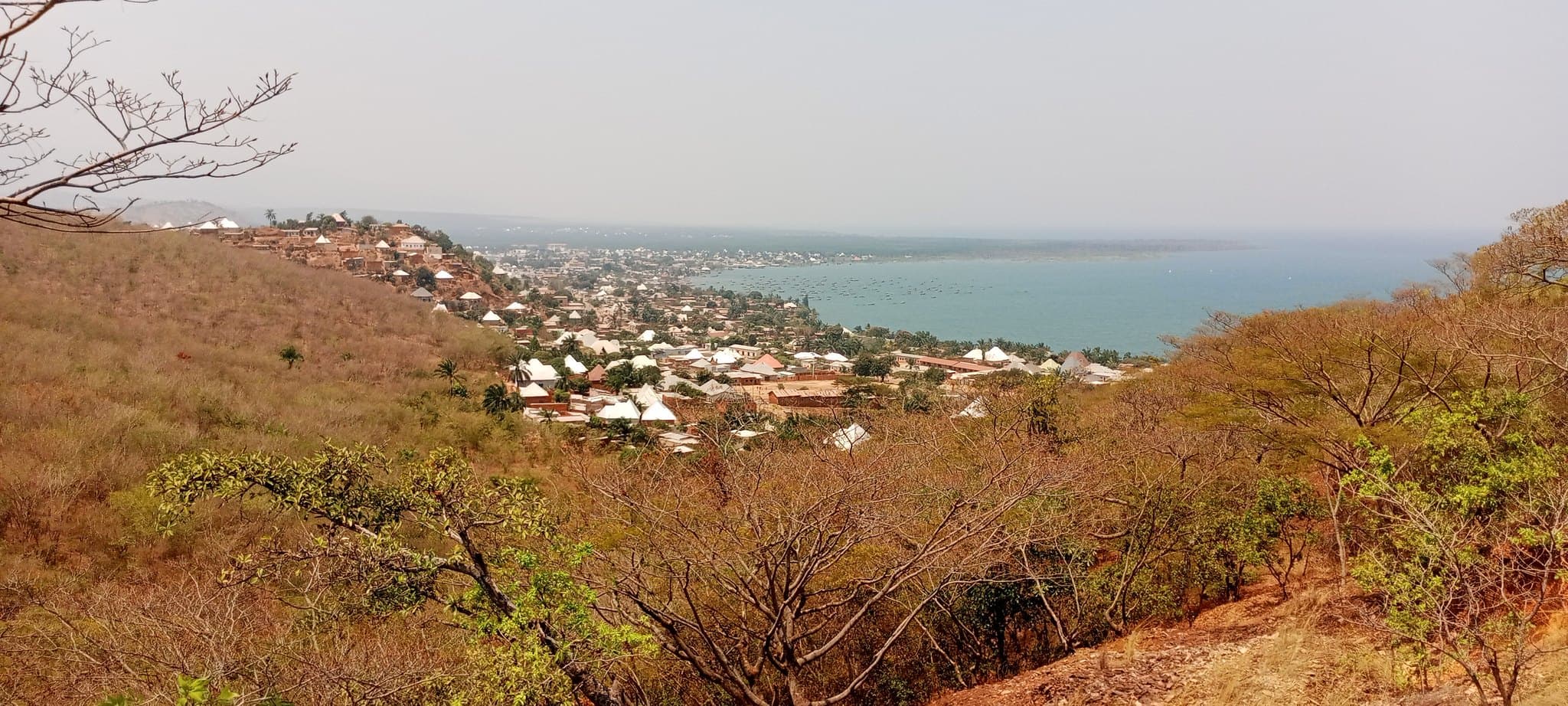
Burundi’s highland lakeshores and vibrant drumming traditions offer a glimpse into a culture shaped by resilience and rhythm.
Overview
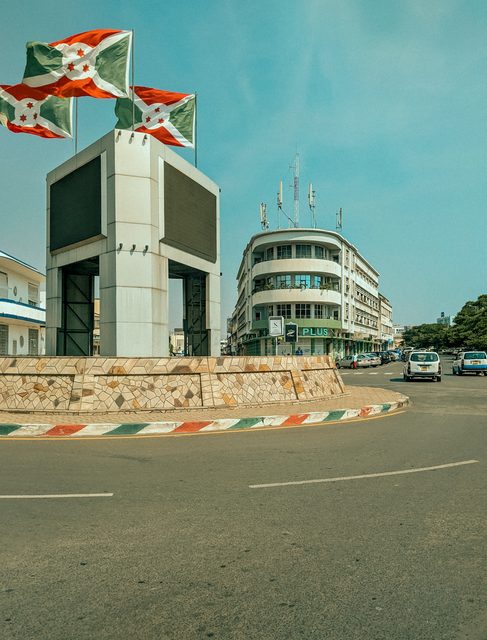
Kirundi and French are spoken across Burundi’s Great Lakes setting, where daily life is anchored by Bujumbura’s lakefront and Gitega’s cultural pulse. The country’s highland terrain and rich musical heritage—especially its celebrated drumming—underscore a sense of community and continuity, even amid ongoing challenges.
At a glance
Languages
- French(Official)
- Kirundi(Official)
- Swahili(Widespread)
Population13,689,450
CurrencyBurundian Franc (BIF)
1 BIF = 0.0003329 USD
1 USD = 3004.06 BIF
Popular places
Burundi
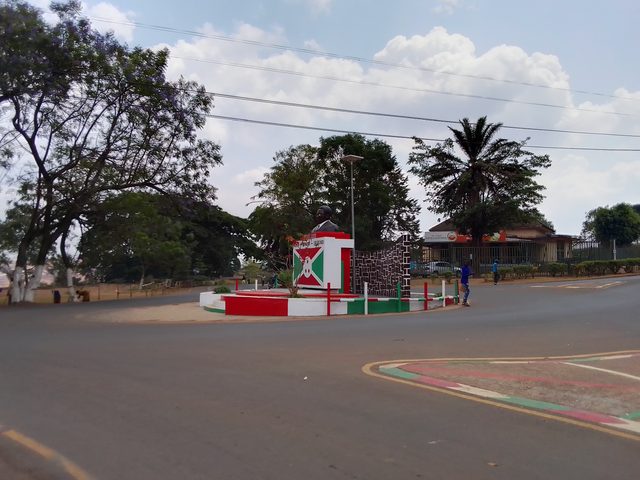
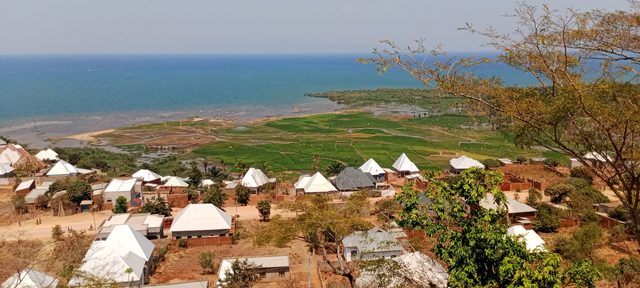
Cost of living
Numbeo publishes these source indexes relative to New York City.
Cost of LivingPotentially much less expensiveSource category: All | 2026
RentPotentially much less expensiveSource category: Rent | 2026
GroceriesPotentially much less expensiveSource category: Grocery | 2026
RestaurantPotentially much less expensiveSource category: Restaurant | 2026
Local Purchasing PowerMuch weaker local purchasing powerSource category: Purchasing Power | 2026
Sources
- Numbeo Cost of Living Index
Quality of life
Healthcare IndexLimitedSource category: Healthcare | 2026 | Healthcare quality index (100 = best healthcare)
Crime IndexModerateSource category: Crime | 2026 | Crime index (100 = highest crime)
Safety IndexMixedSource category: Safety | 2026 | Safety index (100 = safest)
Pollution IndexHighSource category: Pollution | 2026 | Pollution index (100 = most polluted)
Traffic IndexHighSource category: Traffic | 2026 | Overall traffic index (considers time + inefficiency + CO2)
Sources
- Numbeo Cost of Living Index
Entry requirements
Visa and residency reference data is available for Official / Diplomatic Visa, Student, Official / Diplomatic Visa, and 6 more.
Official / Diplomatic Visa
- Courtesy Establishment Visa
Burundi courtesy establishment visa route for qualifying official or institutional applicants using a note verbale and Interior Ministry approval.
- 2 years
- Diplomatic Establishment Visa
Burundi diplomatic establishment visa route for diplomatic passport holders, supported by note verbale and migration service approval requirements.
- 3 years
Student
- DRC Study Visa
Burundi study visa route for DRC students, with the migration service listing student evidence, current visa or entry stamp, passport copy, and one-year validity.
- 1 year
- No work rights
Tourist / Visa Waiver
Languages
- French(Official)39,600 speakers
- Kirundi(Official)3,920,400 speakers
- Swahili(Widespread)26,400 speakers
Sources
- Country language reference
Safety
3 source-backed travel advisories are available for Burundi.
Canada
Avoid non-essential travel
Advisory effective · Verified
Avoid non-essential travel to Burundi, due to the ongoing conflict in neighbouring Democratic Republic of the Congo, violent crime, and the risk of political violence.
United Kingdom
FCDO advises against all travel
Advisory effective · Verified
Your travel insurance could be invalidated if you travel against advice from the Foreign, Commonwealth & Development Office (FCDO). Parts of Bujumbura Province. FCDO advises against all travel to Mugina, Cibitoke, Bukinyayana, Bubanza and Mpanda communes due to the risk of the presence of a rebel group in the Kibira National Park and possible armed incursions from the Democratic Republic of the Congo ( DRC ). FCDO advises against all travel to parts of Ntahangwa commune, specifically the RN5 road north of Melchior Ndadaye International Airport in Bujumbura towards Cibitoke and west of the Rusizi river towards the border with DRC, including Rusizi National Park (also known as Rusizi Delta Nature Reserve). This is due to possible armed incursions from DRC. Parts of Butanyerera Province. FCDO
Visit before you move
TourRadar results matched by destination name.
Start planning your move
Choose a scenario to get started: